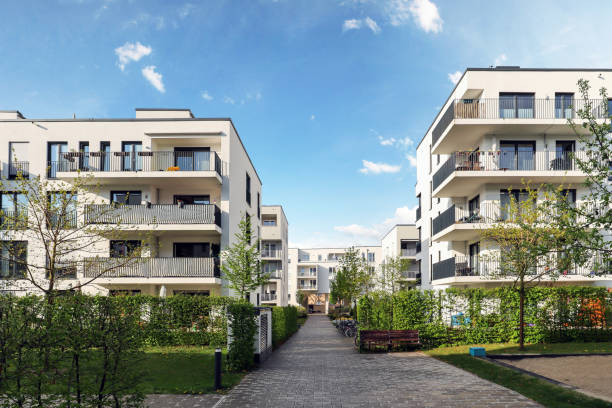
Modern urban planning increasingly relies on smart structural design to solve dense spatial challenges in major cities. Combining commercial spaces with residential apartments fosters vibrant neighborhoods that support local economic health. Creating these intricate ecosystems requires developers to blend financial precision with human-centric architectural design.
Integrating Structural Disciplines in Vertical Construction
Vertical property development requires extreme attention to detail from the initial architectural drawing to final occupancy approval. Managing multi-million dollar projects necessitates clear communication channels between general contractors, engineers, and public stakeholders. A well-capitalized firm handles these relationships seamlessly to prevent budget overruns and project friction.
Relying on an entrepreneurial investing philosophy empowers development teams to move quickly when premium properties become available. Exploring localized market growth through proven networks like Miles Alexander Tampa showcases how disciplined capital placement revitalizes older commercial corridors. This calculated approach provides municipal partners with a reliable roadmap for successful urban renewal projects.
Designing Functional Spaces for Diverse Communities
Elevating the daily experiences of real estate occupants starts by understanding the natural flow of human activity. Residential units should feature flexible layouts that accommodate both remote work needs and traditional family living. Prioritizing layout functionality creates a loyal tenant base and reduces costly annual unit turnover rates.
Retail and office segments within a mixed-use project require an equally thoughtful layout strategy. Placing commercial components in high-visibility zones maximizes foot traffic for business tenants while preserving resident privacy. This harmonic balance ensures that the commercial real estate asset functions efficiently as a unified ecosystem.
Design Parameters for Resilient Mixed-Use Environments
Constructing an enduring mixed-use development requires careful integration of several core architectural principles:
- Establishing distinct entry points to separate residential flows from commercial traffic.
- Incorporating soundproofing materials between retail spaces and overhead residential units.
- Allocating adequate square footage for communal green zones and public plazas.
- Engineering adaptable structural footprints that accommodate future tenant reconfigurations.
Driving Success with Seasoned Development Professionals
A seasoned real estate team with more than fifty years of combined experience brings invaluable calm to complex projects. Industry experts who have served as principals, strategic advisors, and managers know how to anticipate shifting zoning laws. This deep expertise allows development firms to de-risk investments long before construction vehicles arrive on site.
Leveraging specialized knowledge across all major asset classes provides a clear advantage in volatile macroeconomic environments. Teams that understand the historical performance metrics of industrial, retail, and multifamily assets make better data-driven decisions. This institutional wisdom safeguards private equity placements and ensures projects achieve target yields.
- Securing long-term municipal zoning approvals via transparent public partnership.
- Sourcing sustainable building materials to optimize future property energy usage.
- Formulating targeted marketing campaigns to accelerate early tenant leasing phases.
Conclusion
Building successful mixed-use properties requires an unyielding dedication to architectural quality and financial discipline. By seamlessly blending commercial storefronts with modern residential spaces, developers establish lasting economic hubs in expanding submarkets. Embracing value-add asset development strategies allows investment networks to build sustainable wealth while modernizing cities.