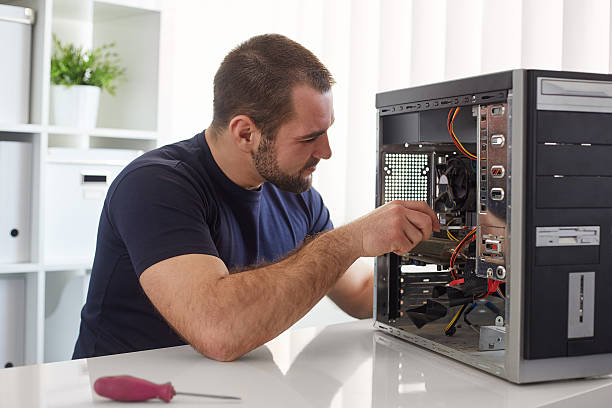
When your desktop computer stops working properly, one of the first questions you'll likely ask is how long the repair process will take. The answer depends on the type of problem, the availability of replacement parts, and the complexity of the repair. Some issues can be resolved within a few hours, while others may require several days of diagnostics, repairs, and testing.
Understanding what affects repair time can help set realistic expectations and ensure you get your computer back as quickly as possible.
Factors That Affect Desktop Computer Repair Time
Every desktop repair is unique, and several factors influence how long the process will take.
1. Type of Problem
The nature of the issue is often the biggest factor.
Common desktop repairs include:
- Software troubleshooting
- Virus and malware removal
- Hard drive replacement
- Power supply repair
- Motherboard diagnostics
- Data recovery services
Simple software issues are typically resolved faster than hardware failures involving multiple components.
2. Diagnostic Process
Before any repair begins, technicians need to identify the exact cause of the problem.
Diagnostics may include:
- Hardware testing
- Power checks
- Storage device evaluation
- Software analysis
- Temperature and cooling inspections
Accurate diagnostics help prevent unnecessary repairs and ensure the correct solution is applied.
3. Availability of Replacement Parts
If a hardware component needs to be replaced, repair time can depend on whether the part is immediately available.
Common replacement parts include:
- Power supplies
- SSDs and hard drives
- RAM modules
- Cooling fans
- Graphics cards
If parts are in stock, repairs can move forward quickly. If they need to be ordered, the timeline may increase.
Typical Desktop Computer Repair Timelines
While every repair is different, most desktop repairs fall into a few general categories.
Same-Day Repairs
Some issues can often be completed within the same day.
Examples include:
- Basic software troubleshooting
- Virus removal
- System optimization
- Minor hardware installations
These repairs generally require less extensive testing and labor.
1–3 Day Repairs
Many common desktop repairs are completed within a few days.
Examples include:
- Hard drive replacement
- Operating system installation
- Power supply replacement
- Cooling system repairs
This timeframe allows for diagnostics, repair work, and performance testing.
Several-Day Repairs
More complex repairs may require additional time.
Examples include:
- Data recovery services
- Motherboard-level repairs
- Multiple hardware failures
- Advanced troubleshooting
These repairs often involve detailed testing and specialized procedures.
Why Data Recovery Can Take Longer
If your desktop repair involves recovering lost files, the process may require extra time.
Factors include:
- Severity of drive failure
- Amount of data involved
- Condition of the storage device
Technicians often perform recovery procedures carefully to maximize the chances of retrieving important information.
Hardware Repairs vs. Software Repairs
Software Repairs
Software-related issues are generally faster because they don't require physical replacement parts.
Examples include:
- Malware removal
- Driver updates
- System cleanup
- Operating system troubleshooting
Hardware Repairs
Hardware repairs usually take longer because technicians must:
- Diagnose the failed component
- Source replacement parts if needed
- Install and test new hardware
The more components involved, the longer the repair process may take.
Why Proper Testing Is Important
After a repair is completed, technicians typically perform testing to ensure the computer is functioning correctly.
Testing may include:
- Boot performance checks
- Hardware stress testing
- Temperature monitoring
- Storage verification
- Software stability checks
This final step helps ensure long-term reliability and reduces the chance of repeat issues.
Can Desktop Computer Repairs Be Expedited?
In some cases, yes.
Faster turnaround may be possible when:
- The issue is straightforward
- Parts are readily available
- No major hardware damage is present
- Diagnostic results are clear
However, more complex repairs should never be rushed, as thorough testing is essential.
Why Professional Repair Matters
Desktop computers contain multiple interconnected components, and problems are not always obvious.
Professional technicians can:
- Accurately diagnose issues
- Prevent unnecessary part replacements
- Perform safe hardware installations
- Verify system stability after repair
This ensures the repair is completed correctly and efficiently.
Choosing an Experienced Repair Provider
Elite Electronics LLC is a trusted electronics repair provider in Wichita, offering professional desktop computer repair services for individuals and businesses. Their technicians handle hardware diagnostics, software troubleshooting, data recovery, custom PC support, and advanced motherboard-level repairs.
With a focus on technical expertise, competitive pricing, and customer service, they work to restore computers efficiently while ensuring reliable long-term performance.
Conclusion
The time required for desktop computer repair depends on the nature of the problem, the need for replacement parts, and the complexity of the repair. Simple software issues may be resolved the same day, while hardware repairs and data recovery projects can take several days.
A professional diagnosis is the best way to determine an accurate timeline. With experienced technicians and proper testing, most desktop computer issues can be resolved efficiently, helping you get back to work, gaming, or everyday computing as quickly as possible.